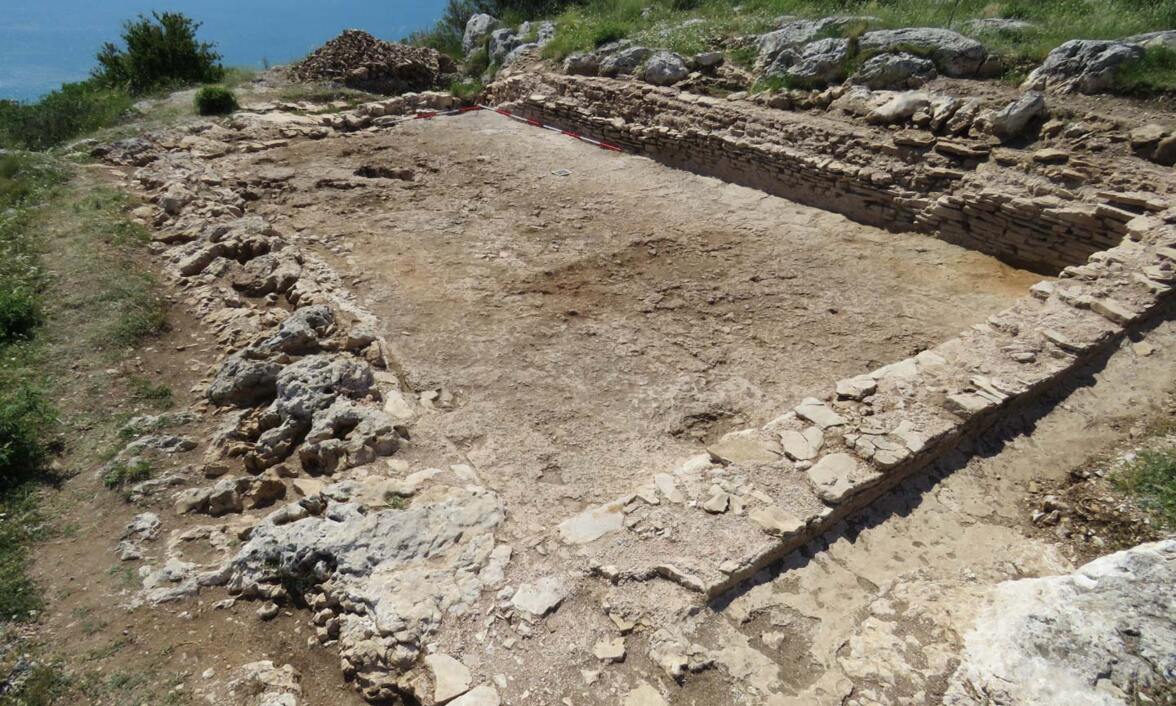
The area of Marina was once settled by Illyrians (Bulini tribe), Hylleis (Greek colonizers who assimilated with Bulini), Romans and finally, at the beginning of the 7th century AD, it was inhabited by Croats.
The area has had various names throughout history. The oldest known pre-Slavic names are Bausiona and Drido.
Marina is mentioned in medieval sources as early as 1070. The area of Marina was once inhabited by Illyrians, then by Romans and at the beginning of the 7th century by Croats. In ancient Croatian times, the current territory of Marina was called Drid and it was the seat of the old parish Drid, and after the village called Baselen (Bosilen) in the area of the current Marina – the place was named Bosiljina. So Bosiljina (ancient name for Marina) has been mentioned since the 9th century.
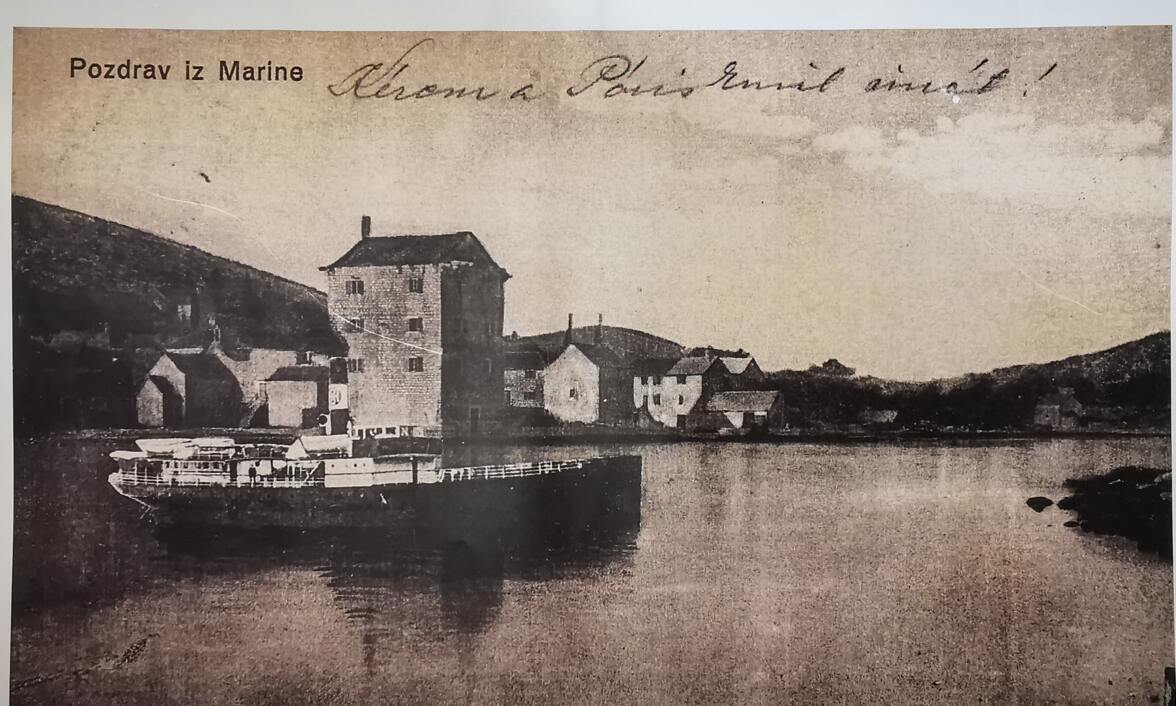
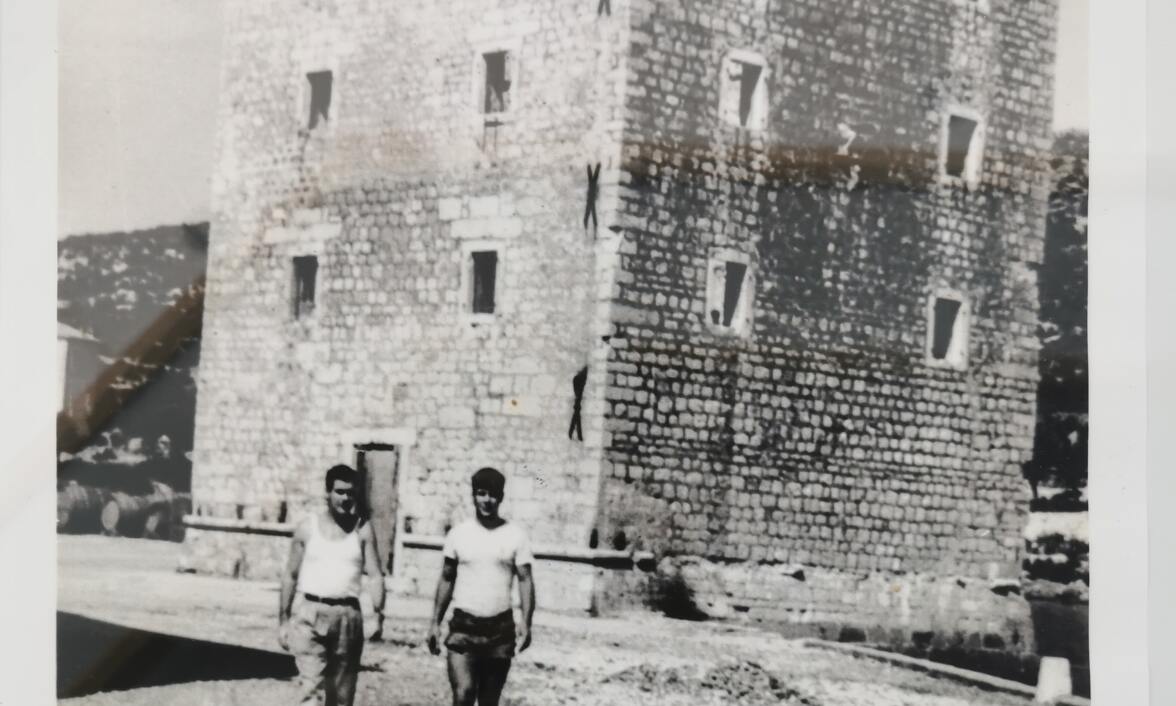
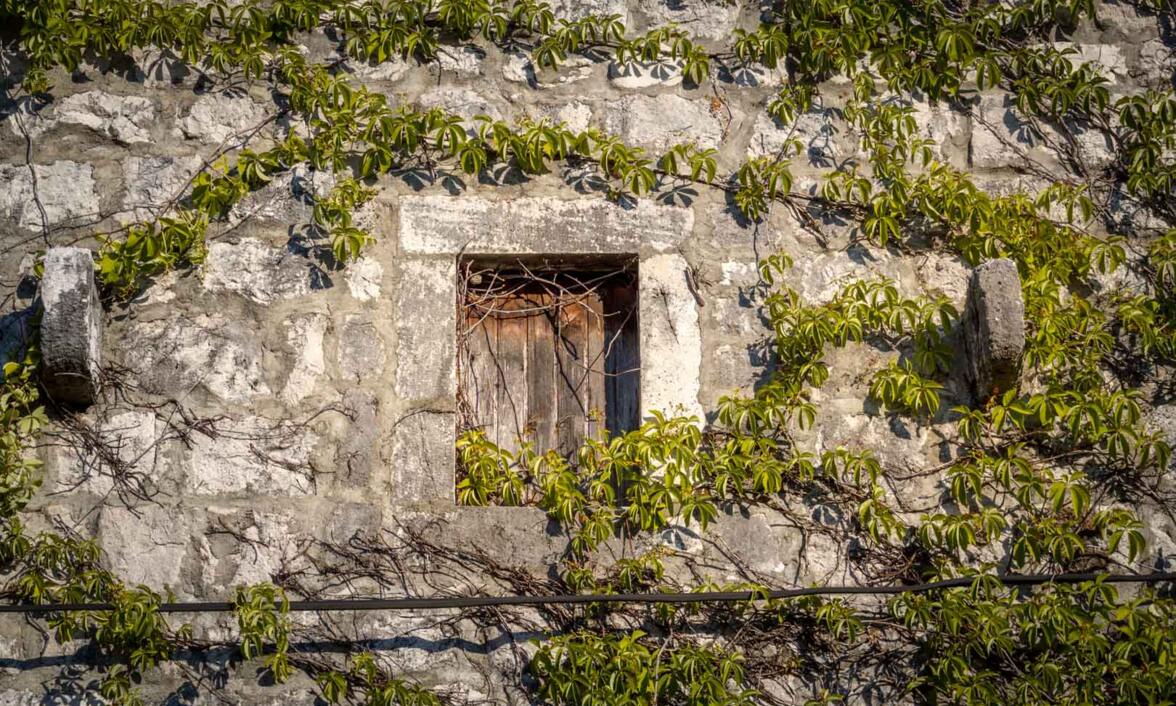
In the second half of the 15th century, the territory of Marina was threatened by the Ottomans. Therefore, in 1495, Trogir duke Alviz Barbarig approved bishop Frano Marcello to build a castle in the Marina Bay near the church of St. Marina to defend the local population (Unique defence complex – castle, consisting of the bishop's tower built on the islet and the fort Citadel, built on land, within which the church of St. John was built on the village square – Brce).
The inhabitants who inhabited the area around the castle and the Citadel named the new settlement and the entire area of Bosiljina – Marina after the Holy Martyr Marina.
At the end of July 1657, during the longest and fiercest conflict between the Turks and Venetians, known as the Cretan War (1645-1669), Bosiljina/Marina saw the hardest days in its history.
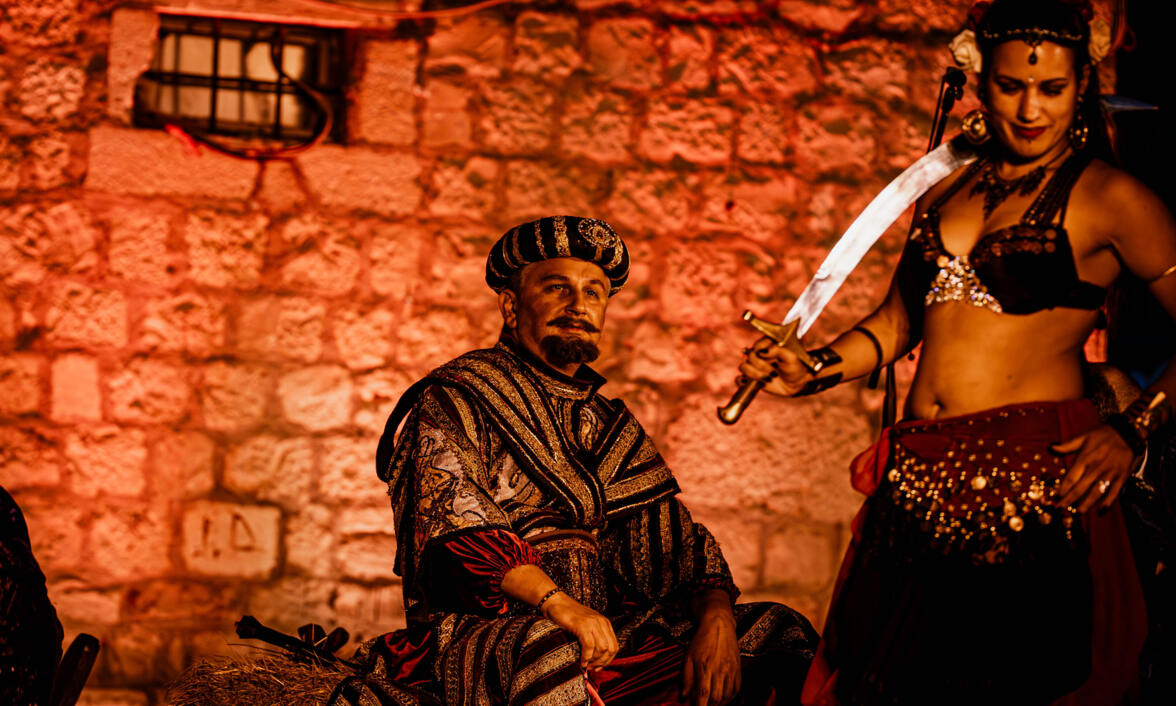
In 1657, the Bosnian Pasha Seidi Ahmet and his powerful army embarked on the conquest of Dalmatian cities. After their siege of Split failed, the Turks set out to conquer Marina. The incentive for the attack was to get revenge on the feisty Marinites, who often waged war against the Turks, as well as the village riches.
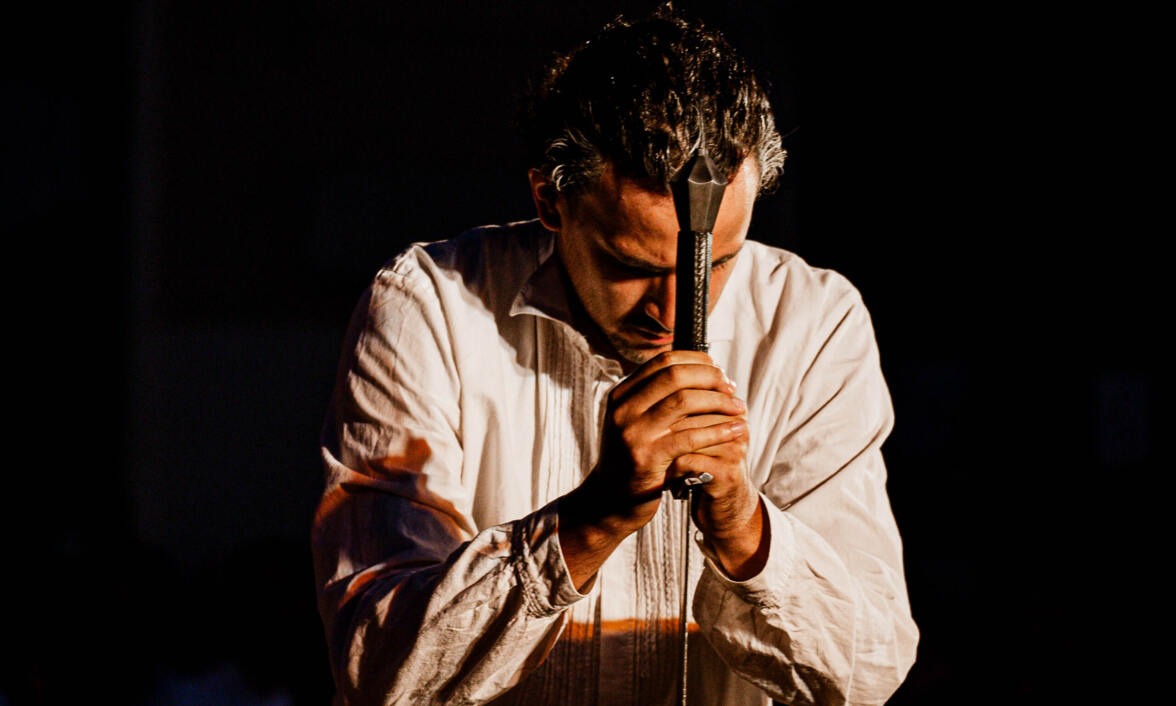
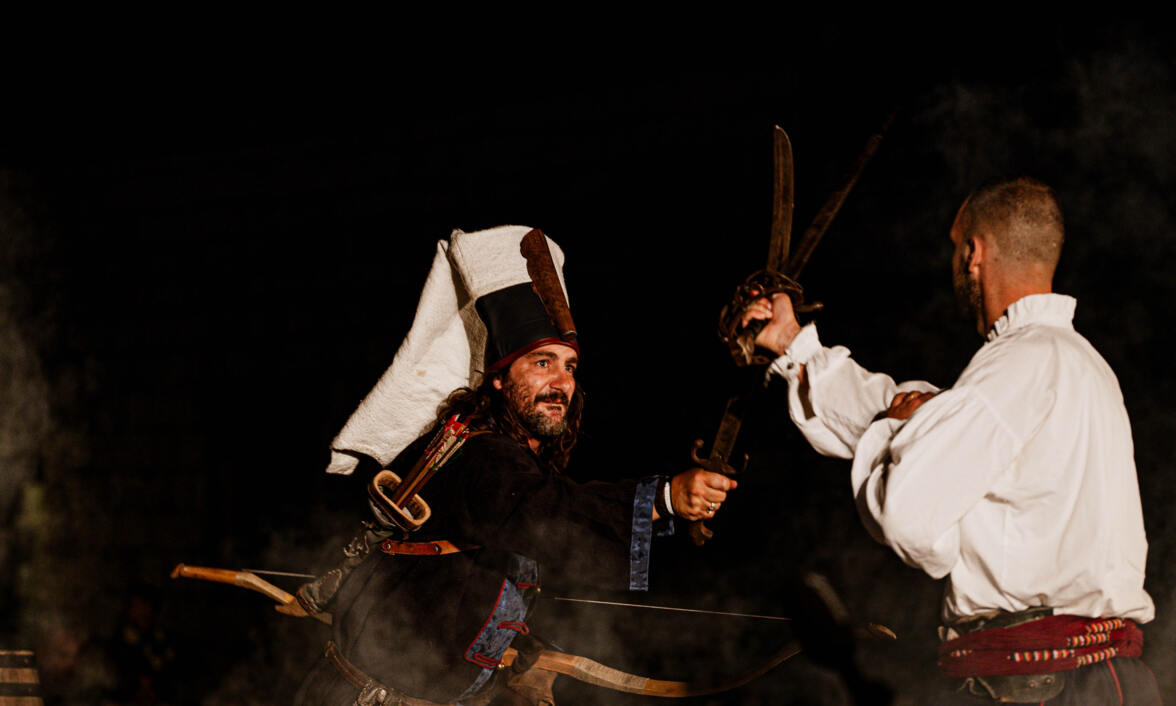
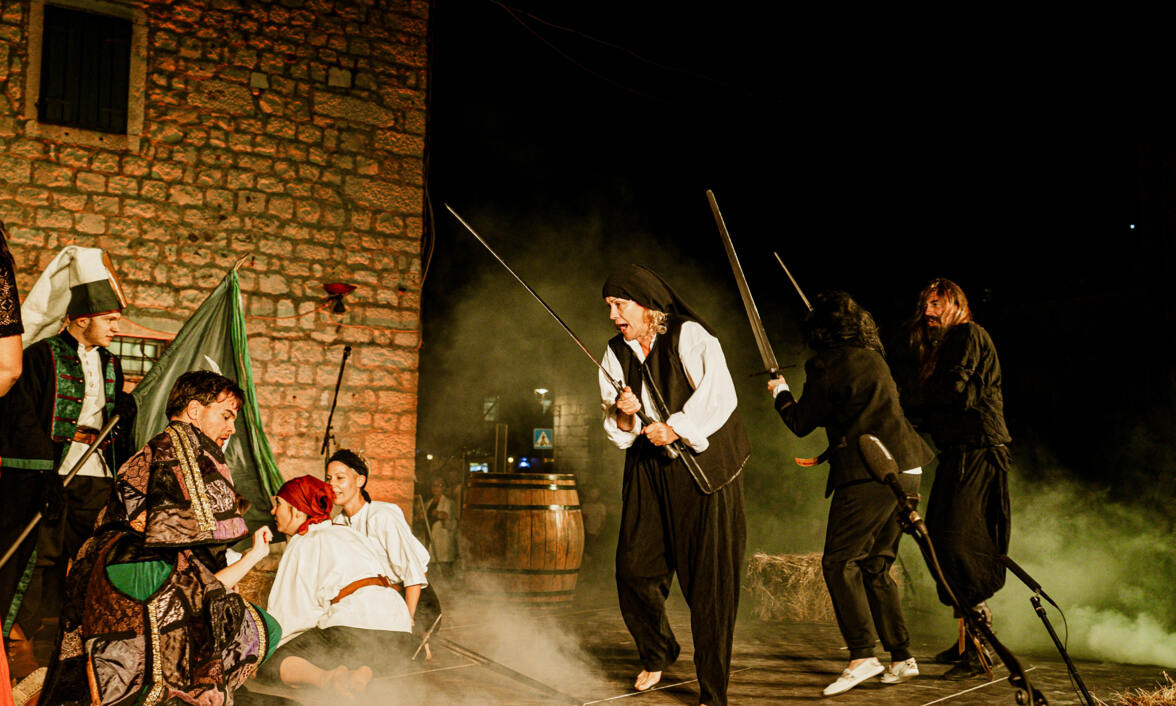
The attack on the village started in late June. The local forces, led by Captain Jakov Jerković, refused to surrender and defended the village with any weapon available, including rifles and cannons. Although the Turkish troops outnumbered the locals, the unexpectedly robust defense of battle-hardened warriors forced the pasha to spend several days razing the village to the ground using large cannons. The Venetian Military Command sent no backup, as it deemed Marina to be undefendable, but the locals, refusing to abandon their homes, persevered and defended the village to their last breath, having received only the assistance of about 30 men from the island of Drvenik.
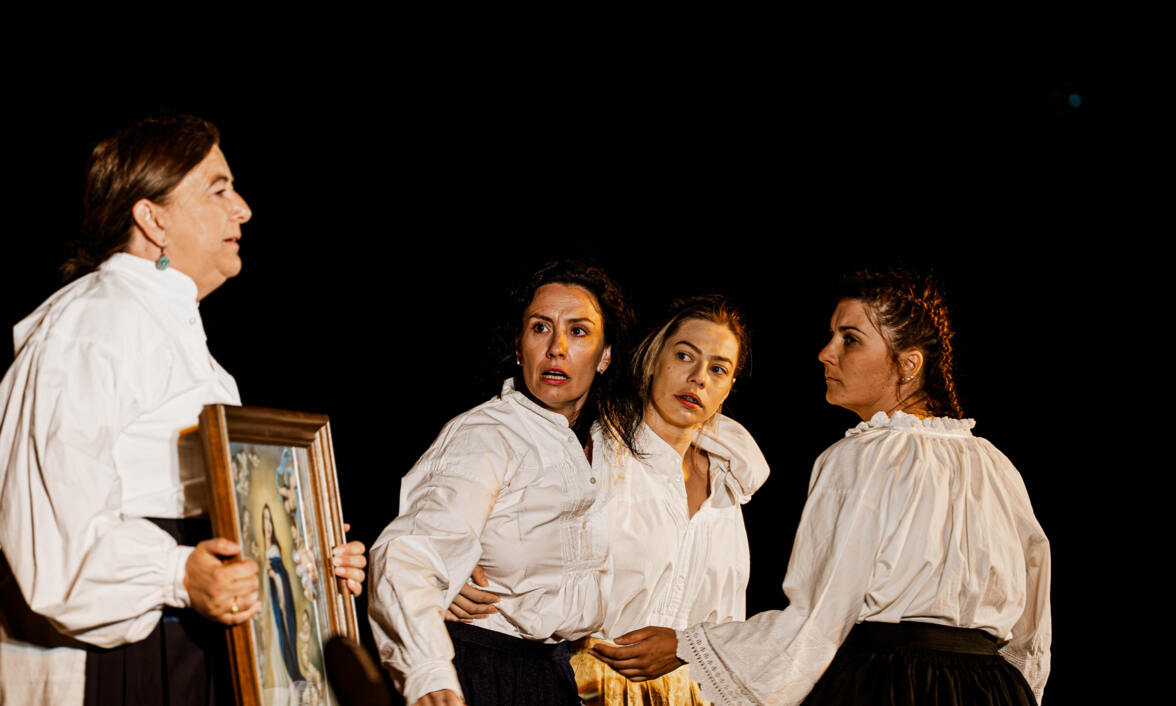
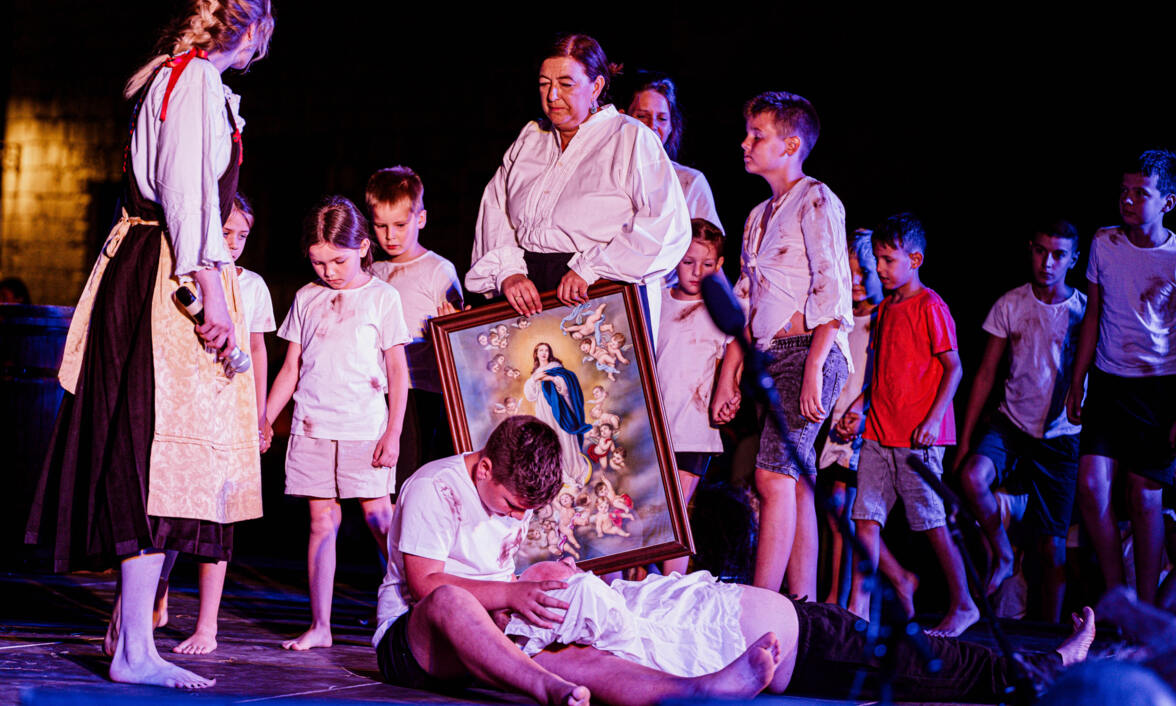
After seven days of resistance, the defenders were unable to keep back the invasion through the broken village walls any longer. The Turks carried out their final assault and penetrated the village, slaughtering almost the entire defending force and impaling the hearth of the fallen Captain Jerković on a spear. Some three hundred Marinites died in the battle and the same number of them ended up as Turkish slaves, including women, the elderly and children. However, about three hundred people managed to flee to Trogir during the night, while under fire of enemy ships. The Turks plundered and pillaged, takin a rich booty with them on a thousand and two hundred horses, “…because the village was among the most populous and richest in Dalmatia.”
Marina, the village that boasted up to forty newborns each year, came to complete ruin. Many old surnames of Marina died out and disappeared after 1657; however, descendants of surviving old families still live in the Marina area to this day, bound to their motherland.